
CMS Defence Conference 2025
These are turbulent and uncertain times for Europe and Denmark. At the NATO summit in June, the allies agreed to commit to historically large defence investments towards 2035. Nevertheless, there is uncertainty about the future role of the United States in the alliance. Meanwhile, the logic and dilemmas of war and deterrence are becoming more prevalent – also for Denmark. The war in Ukraine has highlighted the need for innovation and industrial capacity in the defence sector. Speed and decisiveness are now key parameters in Danish defence and security policy. However, it is difficult to act quickly while maintaining a strategic view of the challenges.
 |
 |
CMS Defence Conference 2025 focused on some of the most important issues in Danish defence and security policy at the moment. The conference brought together decision-makers, stakeholders, journalists and researchers from the broad defence and security policy community in Denmark to discuss alliances, defence technology, the defence industry and the strategic direction of Danish defence. The conference was held on 3 December 2025 in Copenhagen.
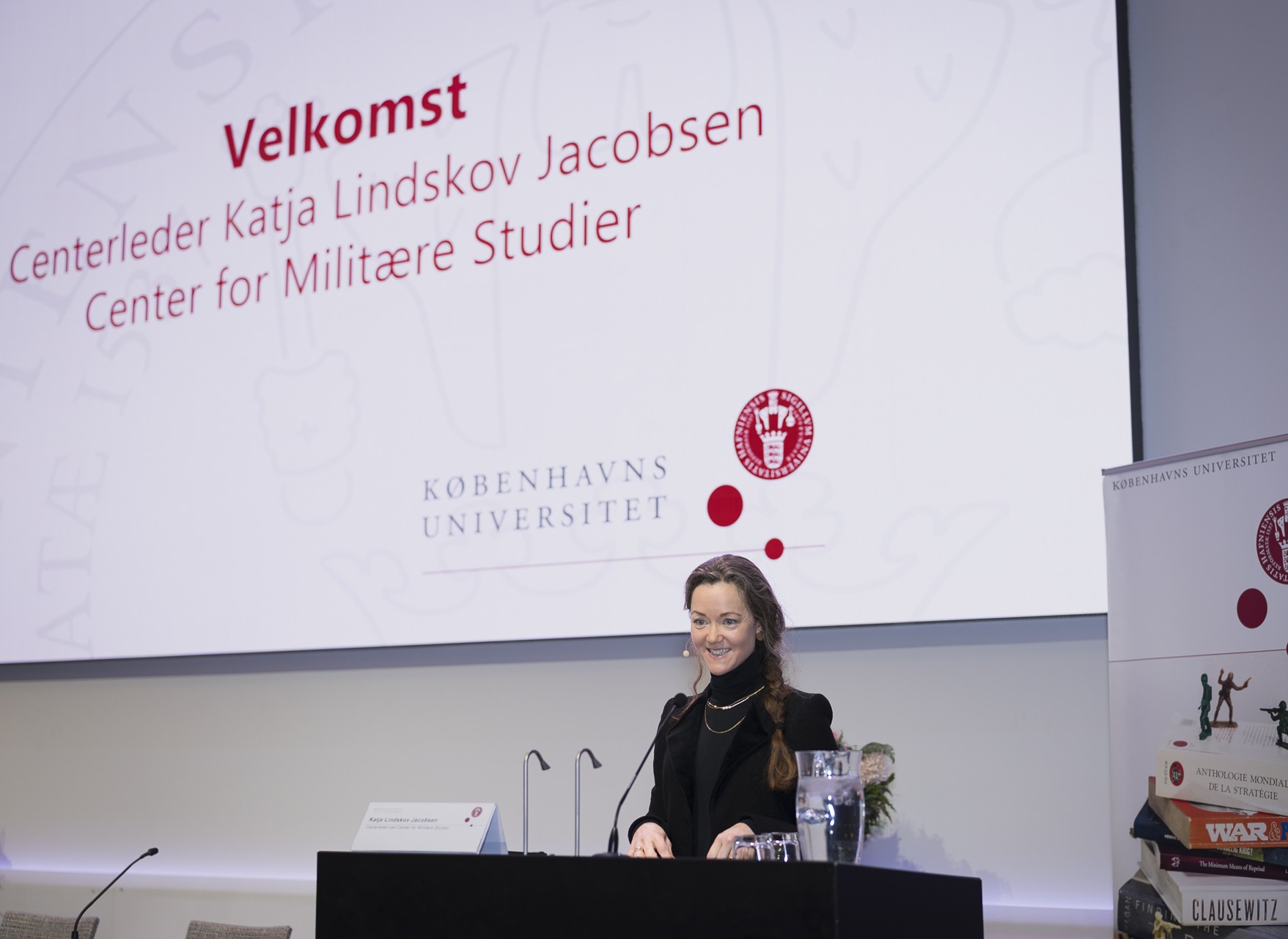
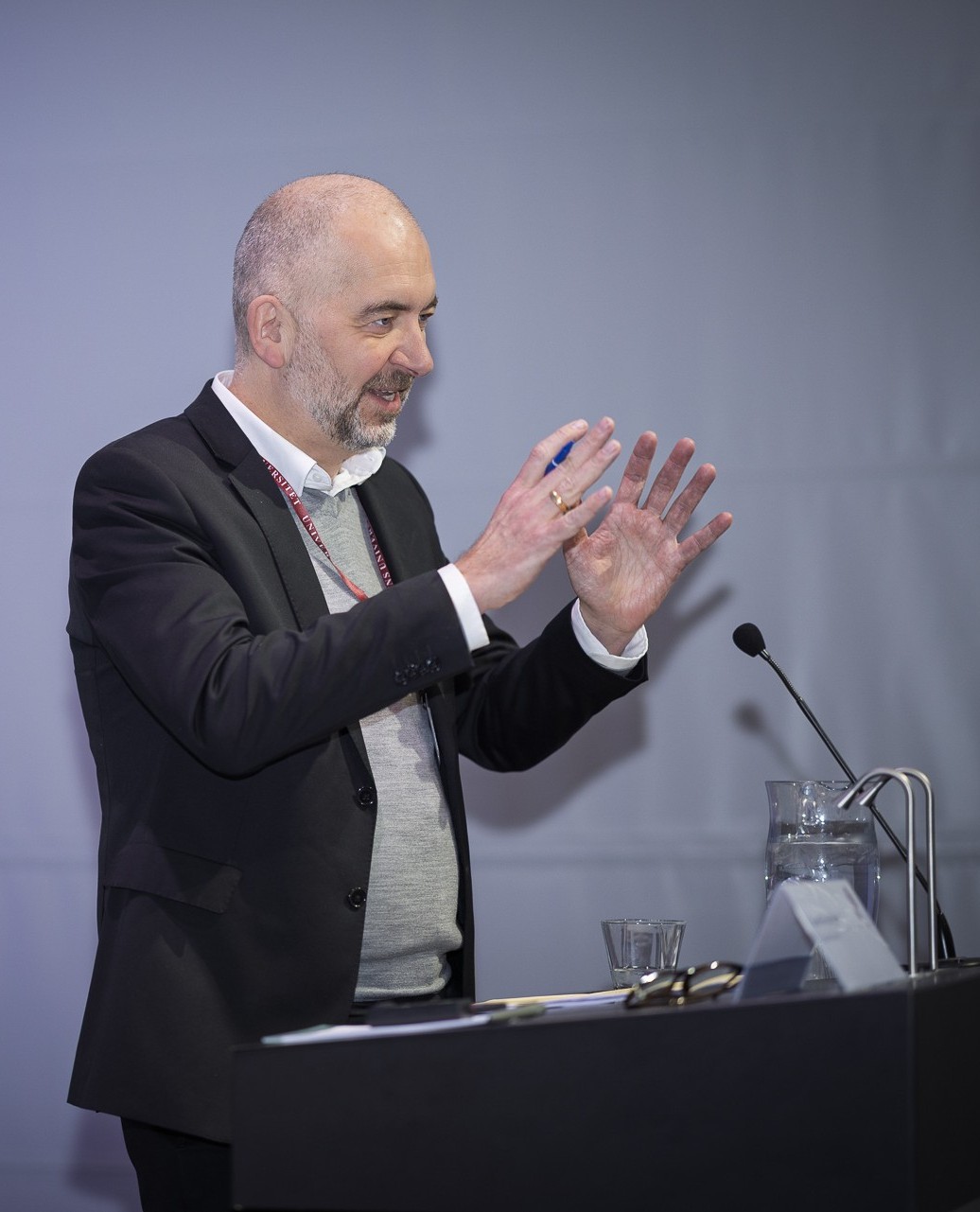
Katja Lindskov Jacobsen, Director of the Centre for Military Studies, opened the conference with a reflection on developments in the defence and security policy landscape over the past year – developments characterised by both well-known, but intensified challenges and more fundamental changes. This was followed by the keynote speaker, Tobias Elling Rehfeld, Director of Security and Operations at the Ministry of Defence. Based on the threat assessment by the Danish Defence Intelligence Service, he presented the threats and challenges facing Denmark today.
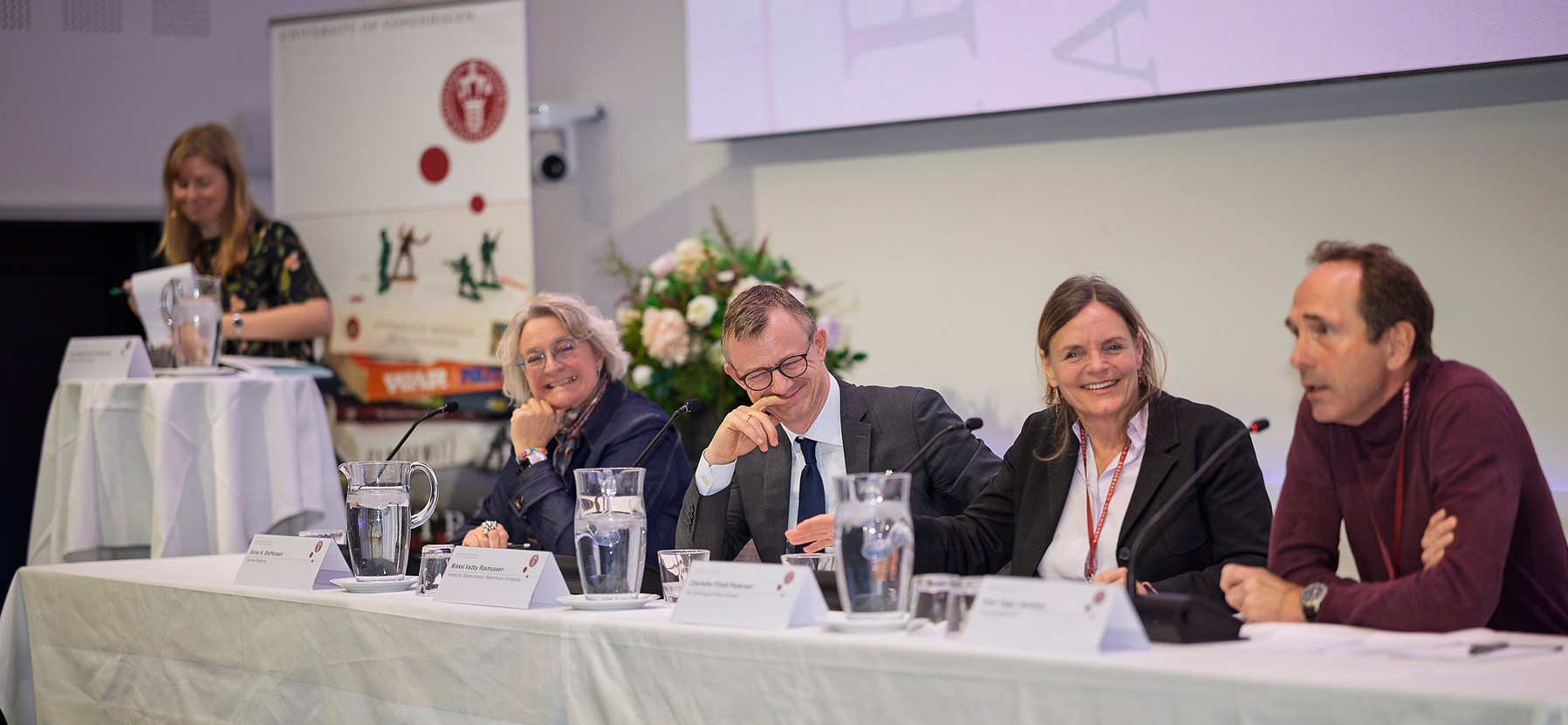
The conference's first panel focused on the strategy for Danish defence. Anne H. Steffensen, CEO of Danish Shipping, Mikkel Vedby Rasmussen, Professor at the Department of Political Science, University of Copenhagen, Charlotte Flindt Pedersen, Director of the Danish Foreign Policy Society, and Peter Viggo Jakobsen, Associate Professor at the Royal Danish Defence College, discussed the challenges and opportunities associated with thinking and acting strategically in Danish security and defence policy. Key themes were Denmark's future relationship with the United States as well as the specific challenges related to securing the Arctic that have become even more apparent over the last year. The panel was moderated by Lise Wiederholt Christensen, Research Assistant at the Centre for Military Studies.
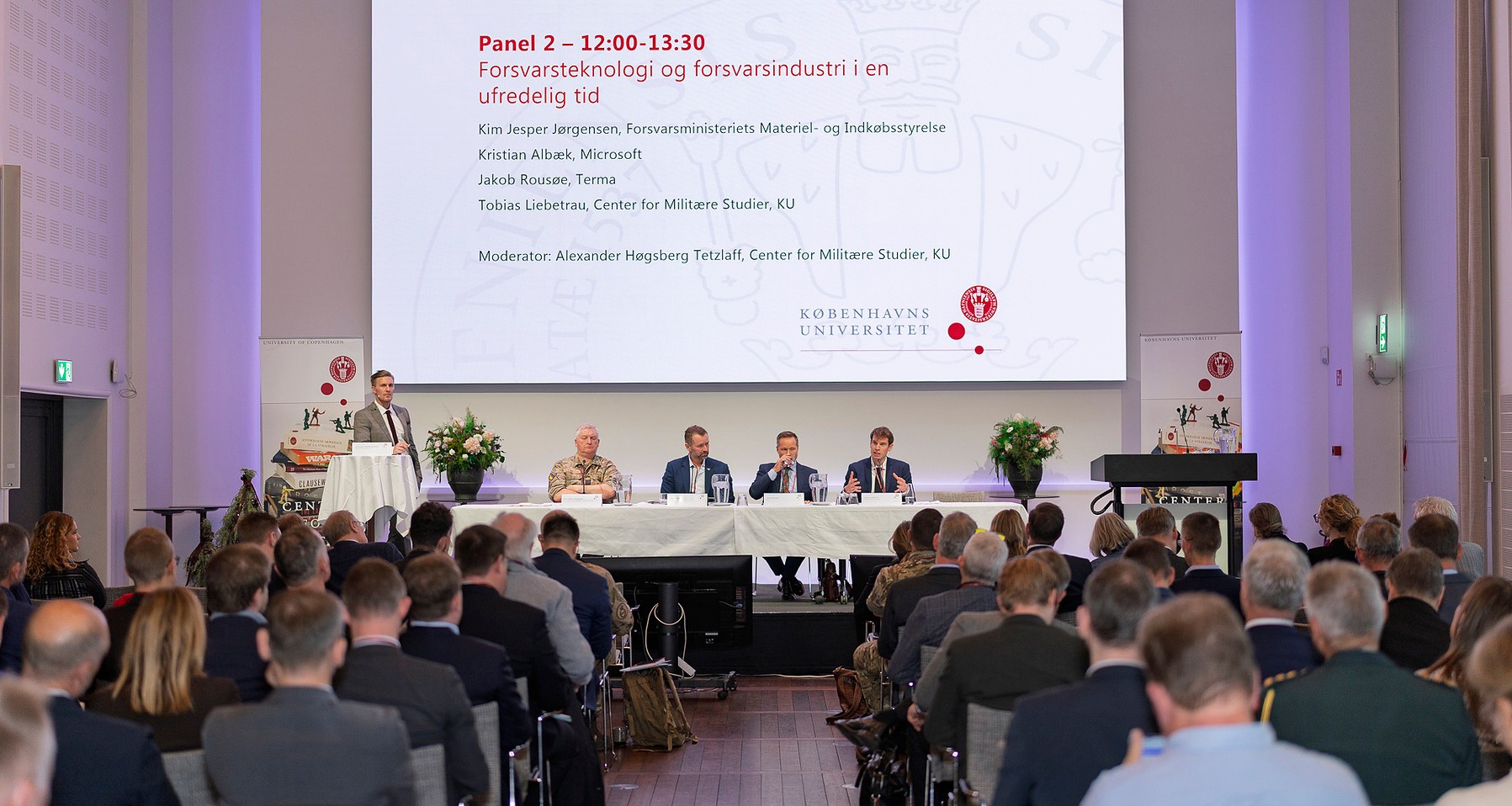
The second panel of the day concerned defence technology and defence industry. Kim Jesper Jørgensen, National Materiel Director at The Danish Ministry of Defence Acquisition and Logistics Organisation, Kristian Flindt Bjerg Albæk, Digital Transformation Executive & Industry Advisory at Microsoft Defence & Intelligence, Jakob Rousøe, Director of Strategic Account at Terma, and Tobias Liebetrau, Associate Professor at the Centre for Military Studies, discussed technological and industrial dilemmas – and solutions – in Danish defence and security policy, including in relation to cooperation with Ukraine, the EU, and the United States. The panel was moderated by Alexander Høgsberg Tetzlaff, Military Analyst at the Centre for Military Studies.
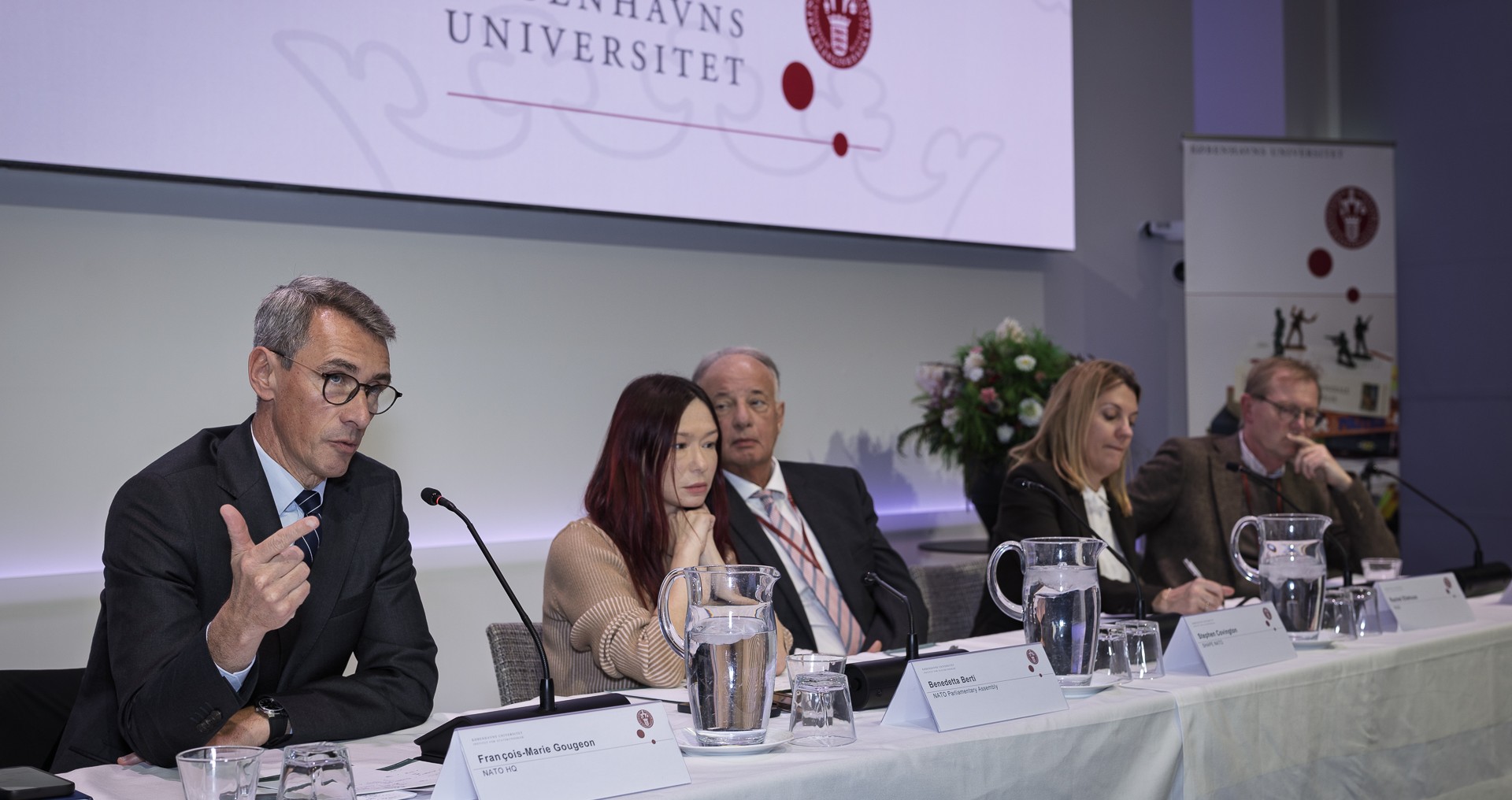
The conference concluded with a conversation about NATO, Europe and Danish defence and security between decision-makers and experts from Denmark and abroad. The panel consisted of François-Marie Gougeon, Deputy Assistant Secretary General for Defence Policy and Planning at NATO Headquarters, Benedetta Berti, Secretary General of the NATO Parliamentary Assembly, Stephen Covington, Strategic and International Affairs Advisor to SACEUR, Rachel Ellehuus, Director-General of RUSI, and Michael Zilmer-Johns, former Danish diplomat and Ambassador to NATO, discussed NATO's strategic situation, Denmark's alliance relationships and the latest developments in European security. The panel was moderated by Niels Byrjalsen, Postdoc and Deputy Director at the Centre for Military Studies.
Topics
Programme Defence Conference 2025
Key points from panel participants
Peter Viggo Jakobsen
Associate professor at the Royal Danish Defence College
Mikkel Vedby Rasmussen
Professor at the Department of Political Science, University of Copenhagen
Charlotte Flindt Pedersen
Director of the Danish Foreign Policy Society
Jakob Rousøe
Director for Strategic Account in Terma